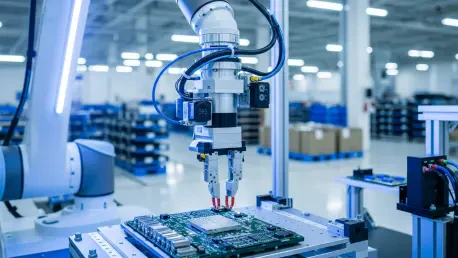
The industrial landscape is currently witnessing a profound shift as the concept of "Valuefacturing" emerges as a primary driver for South Korea's economic resilience and technological sovereignty. This paradigm, introduced by Professor Kim Joo-hyung, moves past the traditional fixation on raw
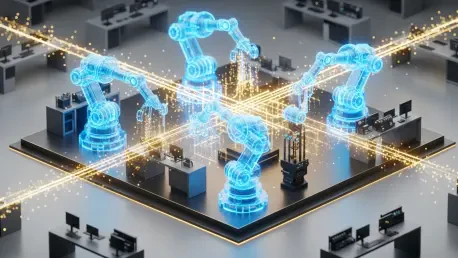
The rapid integration of collaborative robots into the modern factory floor has fundamentally altered the landscape of industrial safety, yet the discovery of a massive security hole in the Universal Robots PolyScope 5 operating system reveals just how fragile this digital-physical connection
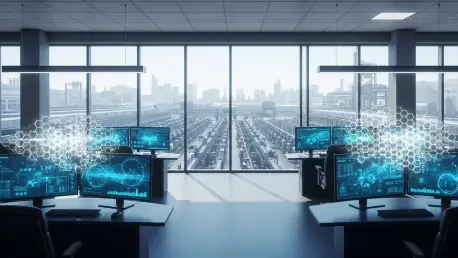
The rapid integration of artificial intelligence into industrial ecosystems has created a striking paradox where the very technology designed to optimize efficiency now acts as a primary gateway for sophisticated cyberattacks. Modern manufacturing plants have transitioned from traditional, isolated

The silence following a sudden machine failure on a high-speed production line often reveals a deeper, more systemic vulnerability than a simple mechanical fault. Modern industrial maintenance is undergoing a fundamental shift from manual, intuition-based management to augmented, data-driven
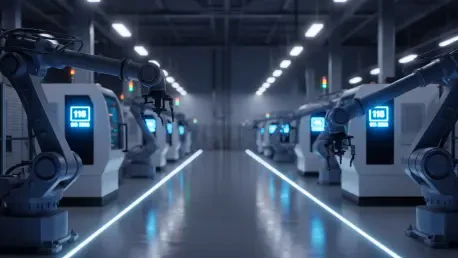
Modern factories are no longer just assemblies of gears and pulleys; they are vast, interconnected digital ecosystems where a single line of malicious code can stop a multi-ton robotic arm in its tracks. The emergence of CVE-2026-8153 has sent shockwaves through the manufacturing world by exposing
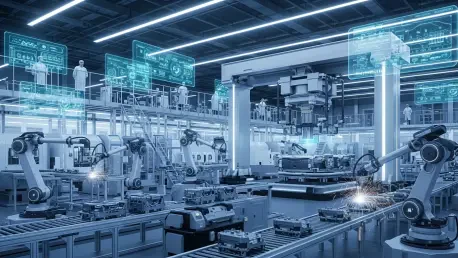
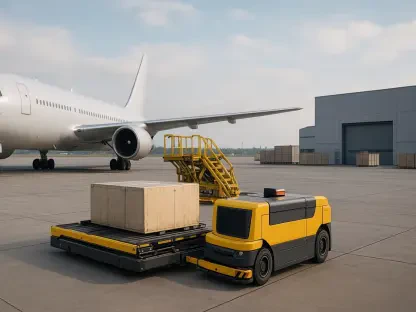
The global manufacturing sector has moved beyond the constraints of static production lines, replaced by a dynamic architecture where machines possess the cognitive ability to navigate complex environments without human intervention. In this current industrial landscape, the primary benchmark for