The shift toward using battery packs as structural members of a vehicle chassis makes the instant grab of pressure-sensitive tapes a critical advantage over slow-curing liquid glues. As manufacturers ramp up production from 2026 to 2028, the traditional metrics of adhesive performance are being

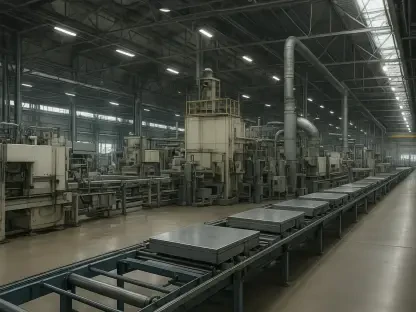
The rapid evolution of global manufacturing has created a definitive divide between facilities that embrace autonomous systems and those that remain tethered to legacy processes. In an effort to place its domestic production sector at the forefront of this technological shift, the United Arab
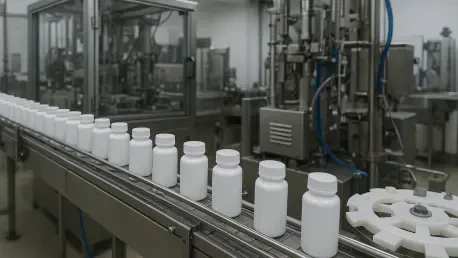
The federal government's 2024 proclamation imposing 100% tariffs on foreign-made patented drugs has forced a rapid and massive restructuring of the American pharmaceutical supply chain. This policy shift was designed to bolster national security, yet it has also triggered a frantic rush to
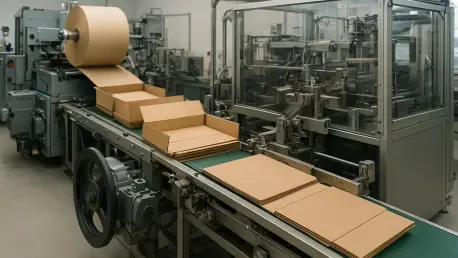
The transition to a connected production environment involves looking at the production cycle holistically rather than as a series of isolated steps. While the broader public conversation often fixates on the visibility of the packaging itself—debating the merits of ocean-bound plastic versus

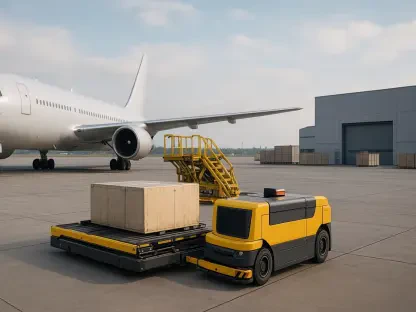
To overcome the physical limits of human labor in a facility three times the size of Yeouido, SK Innovation is scaling its fleet of autonomous inspection units. The Ulsan Complex serves as the central hub of South Korea's energy infrastructure, yet its vast 8.25-million-square-meter footprint

The exchange of reasoning between intelligent agents represents the next evolution in supply chain management, moving beyond the mere exchange of raw electronic data. In 2026, the automotive sector has decisively pivoted away from general-purpose generative AI tools, recognizing that a $4 trillion