
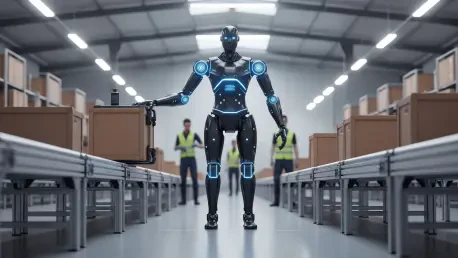
The rapid evolution of automated labor has reached a pivotal juncture where the demand for specialized, single-task machinery is being overshadowed by the necessity for highly adaptable, general-purpose robotic systems capable of navigating complex human environments. Genesis AI recently introduced

The industrial landscape has shifted dramatically as companies move beyond specialized robotic arms to embrace general-purpose humanoid platforms that can walk, lift, and interact with human tools. This evolution is not merely a cosmetic update to existing automation but represents a fundamental
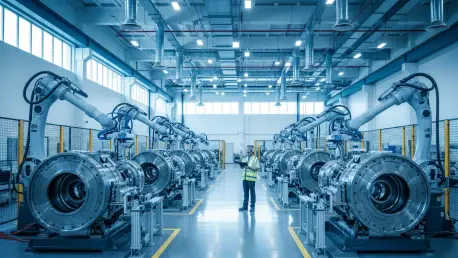
The unprecedented accumulation of unfilled orders within the American industrial sector has reached a critical threshold, forcing many manufacturers to reconsider their long-term production strategies and capital expenditure allocations for the upcoming fiscal periods. While current economic

The impending public listing of Agility Robotics through a strategic merger with Churchill Capital Group signals a definitive maturation of the humanoid robotics industry from speculative science to a multi-billion-dollar market reality. This move values the firm at approximately $2.5 billion,

The traditional automotive engineering cycle is undergoing a fundamental transformation as General Motors abandons the sequential, hardware-centric methodologies that defined the industry for over a century in favor of a virtual-first paradigm. This strategic pivot represents more than just a

Kwame Zaire is a seasoned expert in the industrial manufacturing sector, with a deep-seated passion for how electronics and advanced equipment are reshaping the factory floor. His work frequently centers on the delicate balance of production management, where the drive for efficiency must always be