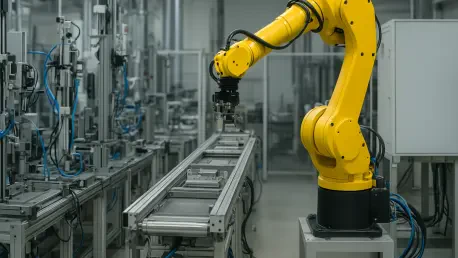
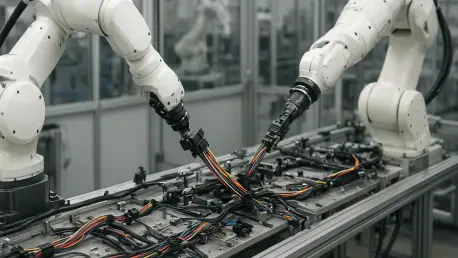
The integration of MVTec MERLIC software allows robots to see and adjust their movements in real time when handling flexible components. For decades, the automotive industry has faced a significant bottleneck where sophisticated assembly lines are frequently halted by the physical limitations of
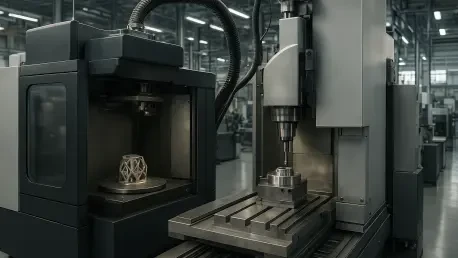
Hexagon’s new HYPERSCAN SR utilizes WiFi 6 technology to provide wireless optical tracking, enabling high-mobility 3D scanning in demanding environments like construction and energy sites. This breakthrough is merely one highlight from the 2026 International Manufacturing Technology Show (IMTS),

The successful completion of 36 units in Denmark provides a definitive roadmap for how industrial automation will influence the next generation of global housing projects. Situated in the town of Holstebro, the Skovsporet development marks a significant transition from experimental architectural
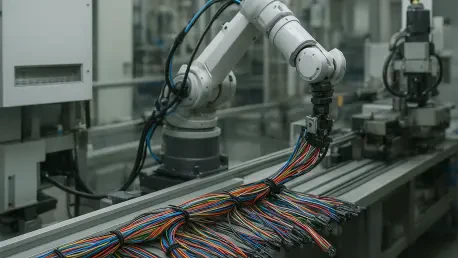
While the automotive body shop and paint facilities have seen massive robotic adoption, the assembly of the wire harness has remained a manual process until now. For decades, the intricate web of cables and connectors that constitutes a vehicle's electrical backbone has been the final holdout

The steady hum of high-precision robotic arms in Bristol now signals a definitive departure from the era of slow-moving foundries and antiquated metallurgical techniques. This transformation, beginning eighteen months ago, turned a localized startup venture into a high-octane production hub that
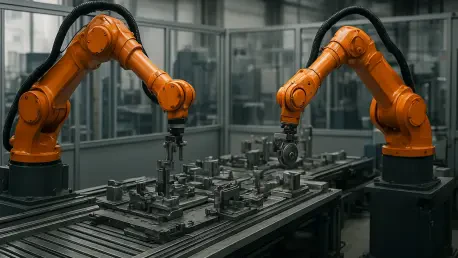
The sudden transition from proprietary silos to open-source foundational software is currently fundamentally restructuring the global industrial robotics landscape through the release of the Intrinsic Core platform. This pivot by Alphabet’s robotics arm represents a calculated effort to lower the