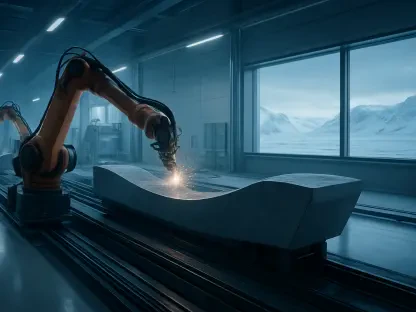
The global manufacturing landscape is currently undergoing a radical metamorphosis as advanced automation transitions from a luxury of the elite to the indispensable cornerstone of electronics production worldwide. This tectonic shift is encapsulated by the projected expansion of the electronics
The sudden shift in economic gravity toward central Korea suggests that the traditional reliance on Seoul’s financial dominance is giving way to a more distributed, technology-first industrial model. This transformation is currently centered on the Daedeok Innopolis and the Korea Advanced Institute
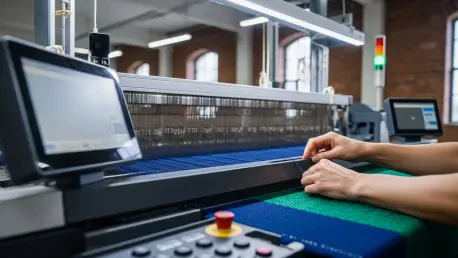
The rhythmic clatter of shuttle looms that once defined the heartbeat of this historic textile town had nearly faded into a mere echo of the past before a recent change in ownership sparked a renewed sense of hope. For decades, the local economy relied on the intricate art of weaving, but global
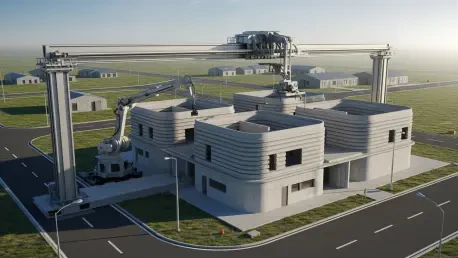
Standing amidst the sprawling desert landscapes of West Texas, the transformation of Fort Bliss from a modest 19th-century border post into a sophisticated hub for robotic construction signifies a profound shift in the Department of Defense’s approach to permanent military housing. This evolution
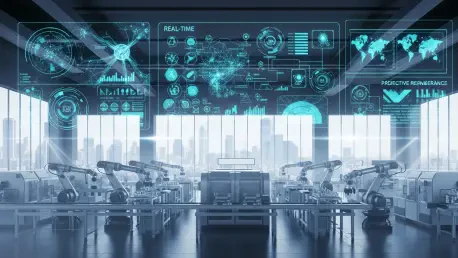
Industrial operations have long struggled with the persistent gap between theoretical optimization and the messy reality of the factory floor, where unforeseen variables often render perfectly calculated schedules completely useless. In many cases, a plan that looks efficient on a computer screen
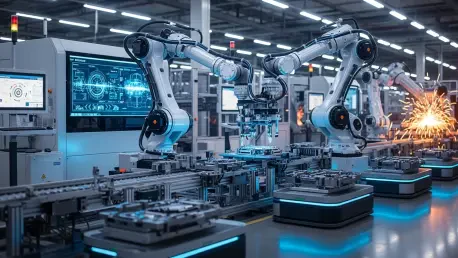
The rapid transformation of the industrial landscape has reached a critical juncture where nearly half of the world's major smart factories now operate within Chinese borders, showcasing a level of technological maturity that seemed aspirational only a few years ago. This shift is not merely about